Summary: office or distributor?
Neither approach is inherently better. When entering Taiwan for the first time to test the market, manufacturers usually start with a local distributor: low upfront investment, the distributor's existing customer relationships, and installation and after-sales handled by the distributor. Once the market is proven and customer volume is steady, they evaluate setting up their own office to take full control of pricing, brand, and customer data.
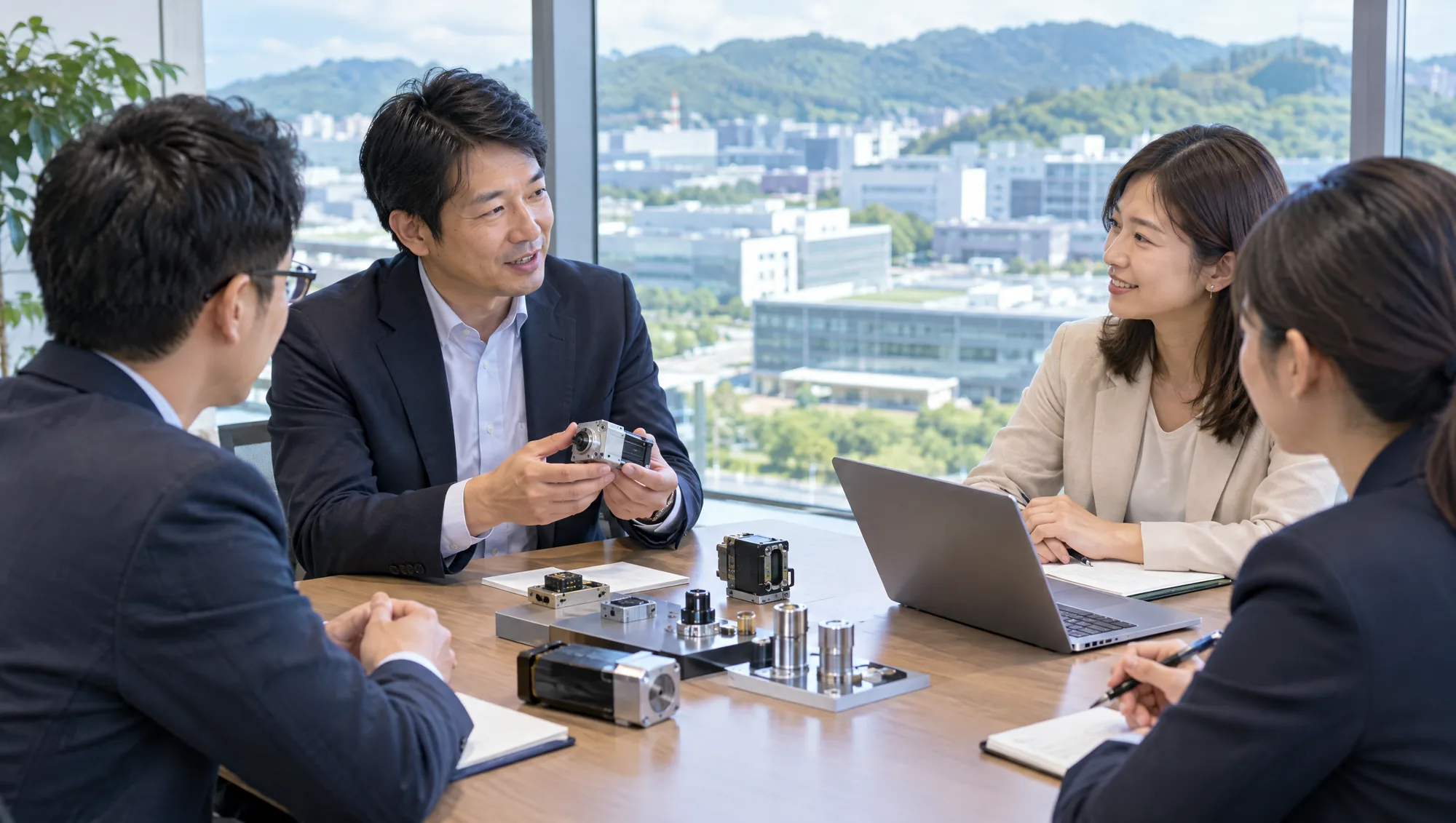
Own office or distributor?
Neither approach is inherently better; they differ in upfront investment, speed, and control. Many manufacturers test the market through a distributor first, then evaluate setting up an office once customer numbers are steady.
| Item | Your own office | Local distributor |
|---|---|---|
| Upfront cost | Staff, office, legal and tax setup | Contracts and margin; low fixed cost |
| Speed to market | Hire and train first | Their customers and channels |
| Local service | Build your own service | They install and service |
| Control | Full control | Terms set by contract |
| Best when | Proven market, steady demand | First entry, testing |
4 steps into Taiwan
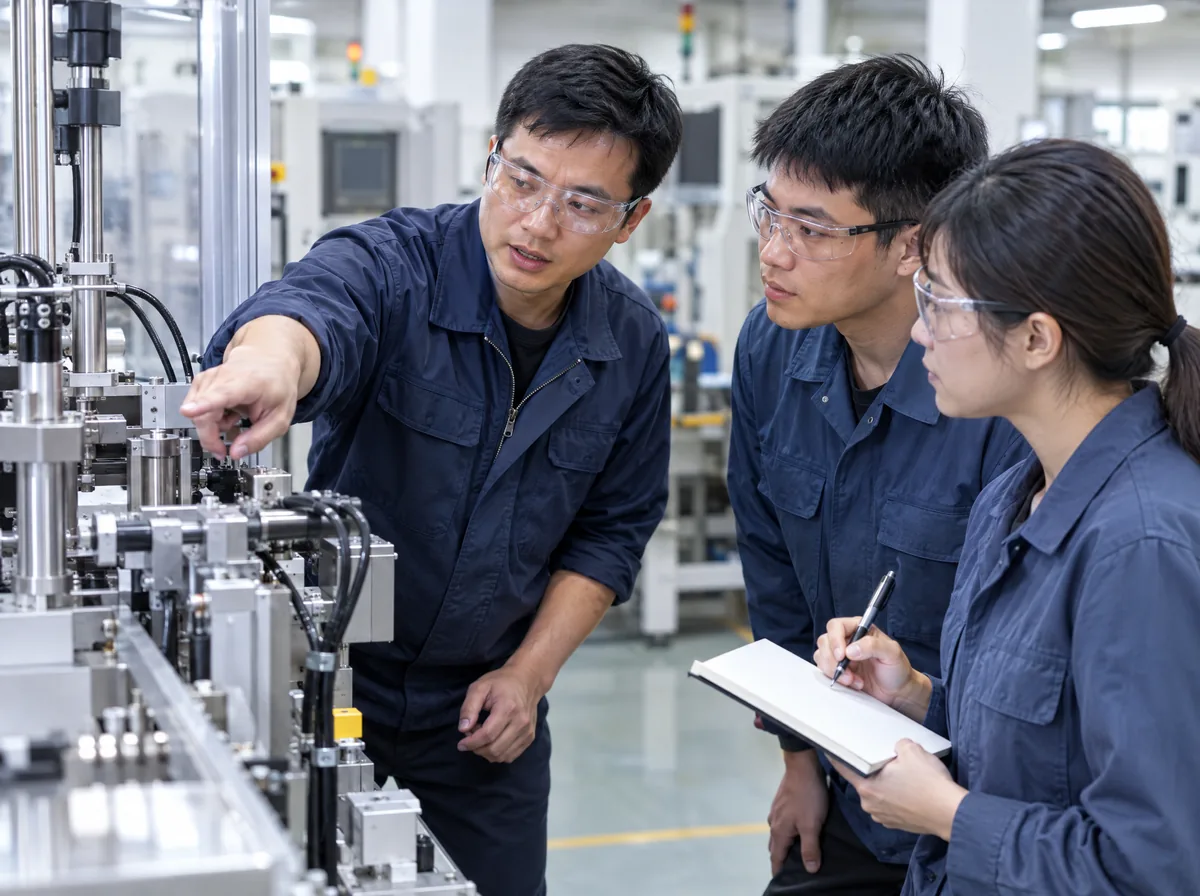
Pick industries
Taiwan's semiconductor, electronics, and precision manufacturing are concentrated in clusters; first confirm which industries and science parks your product fits, and whether there are established competing suppliers locally.
Traditional Chinese content
Most Taiwanese engineers can read English datasheets, but product descriptions, case studies, and web pages in Traditional Chinese are easier to find in search and easier to circulate internally. Use the terms Taiwanese industry uses, rather than converting a Simplified Chinese version.
Find a distributor
Assess a distributor's customer relationships, technical capability, and after-sales capability in your target industry, and agree on pricing, territory, and customer data sharing in the contract.
First local case
Taiwanese customers also value local track records. Start with a trial or a single line, write it up as a Traditional Chinese case study, then expand sideways.
5 checks for a distributor
- Customers→Already in your industry?
- Technical skill→Can they size and answer?
- Service→Who installs and repairs?
- Conflicts→Competing brands?
- Language→Speak yours (e.g. Japanese)?
FAQ
Should an overseas manufacturer entering Taiwan set up its own office or use a distributor?
When entering Taiwan for the first time to test the market, start with a local distributor: low upfront investment and access to existing customers and channels. Once the market is proven and customer volume is steady, evaluate setting up your own office.
What do you need to prepare to enter the Taiwan market?
Confirm target industries and science parks, prepare product content and case studies in Traditional Chinese, find a suitable distributor or channel, and plan who handles installation, training, and after-sales.
How do you choose a Taiwanese distributor?
Look at five things: customer relationships in your target industry, technical capability, local service capability, whether they distribute competing brands, and whether they can communicate directly in the manufacturer's language.