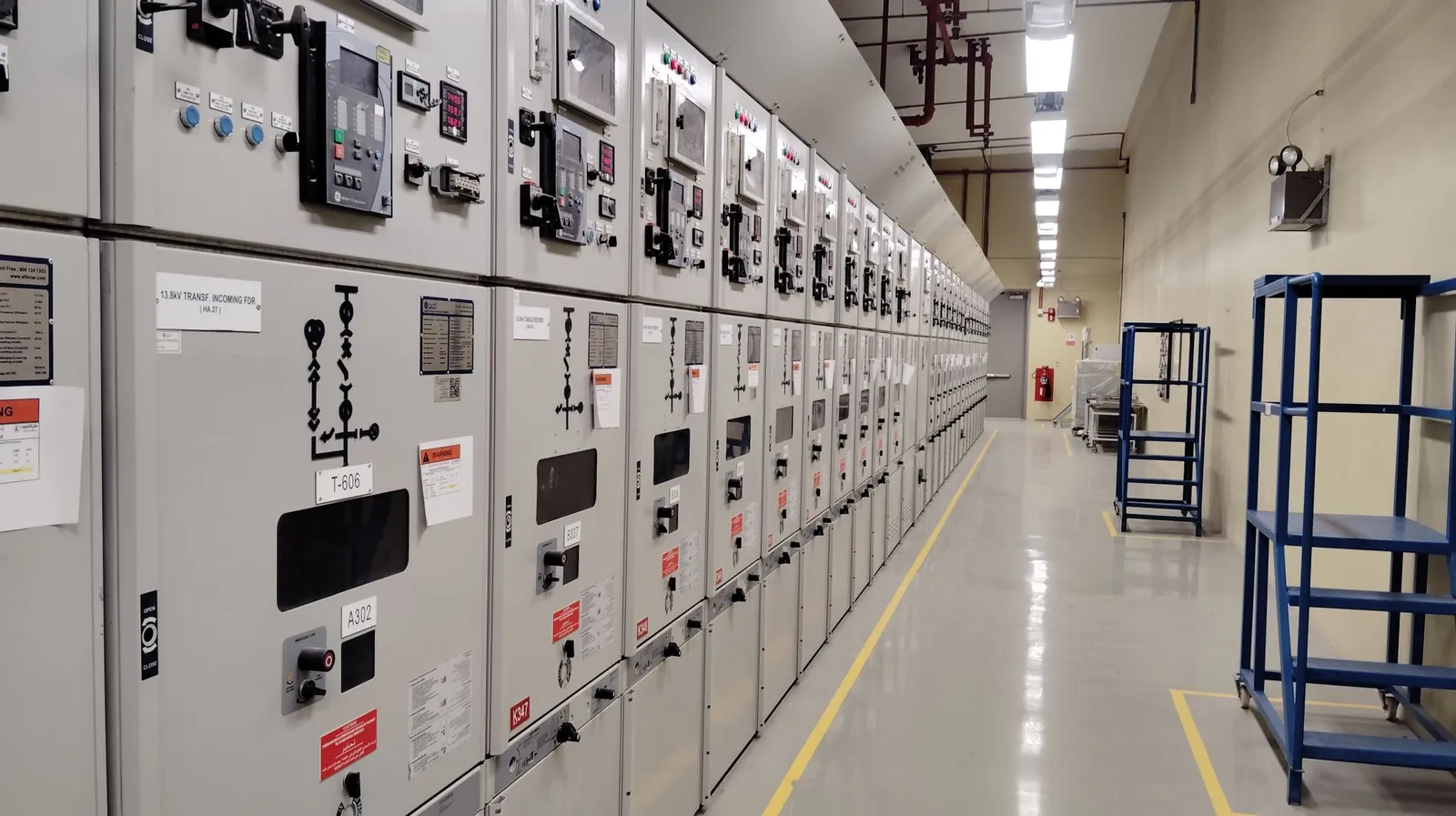
Key takeaways: What is an energy management system (EMS)?
An energy management system (EMS) is a tool for measuring, recording, and analyzing energy use. It collects data from meters or sensors so you can see how much power each piece of equipment uses and when. ISO 50001 is an energy management standard that requires organizations to establish an energy baseline, set performance indicators, and continually improve; an EMS provides the data to put that system into practice. In Taiwan, users with contract capacity above 800 kW are regulated under the Energy Management Act: they must report energy use and appoint energy management personnel, and must also complete energy audits in 2026–2027. The most practical first step for a factory is circuit-level metering of major equipment at the switchboard, collecting 2–4 weeks of baseline data, starting improvements where power use is highest, and verifying results with the same measurements.
EMS, ISO 50001, and energy managers: what's the difference?
| Term | What it is | Problem it solves |
|---|---|---|
| Energy management system (EMS) | Hardware and software tools: meters, sensors, data platform, and reports | See where power goes, when it's used, and whether improvements actually save energy |
| ISO 50001 | International energy management standard; certification available | Turn energy saving into a management process with targets, a baseline, and continual improvement |
| Energy management personnel | Personnel registered under the Energy Management Act | For users with contract capacity above 800 kW: report energy use and drive energy saving |
Simply put: ISO 50001 is the rulebook, the EMS is the measuring stick, and the energy manager is the person who carries it out. ISO describes ISO 50001:2018 as a framework for establishing, operating, maintaining, and improving an energy management system, with results measured by energy performance indicators (EnPIs), which can be simple ratios or models (ISO). Without reliable measurement data, these indicators can't be calculated.
What do plants above 800 kW need to do now?
Users with contract capacity above 800 kW are regulated energy users under the Energy Management Act. They must report energy use data regularly, with a registered engineer or energy management personnel responsible. According to RECCESSARY, the Ministry of Economic Affairs announced new rules in May 2026 requiring these users to complete comprehensive energy audits between 2026 and 2027 and submit a 5-year energy-saving plan by Q1 2028, with regular progress tracking afterward (RECCESSARY).
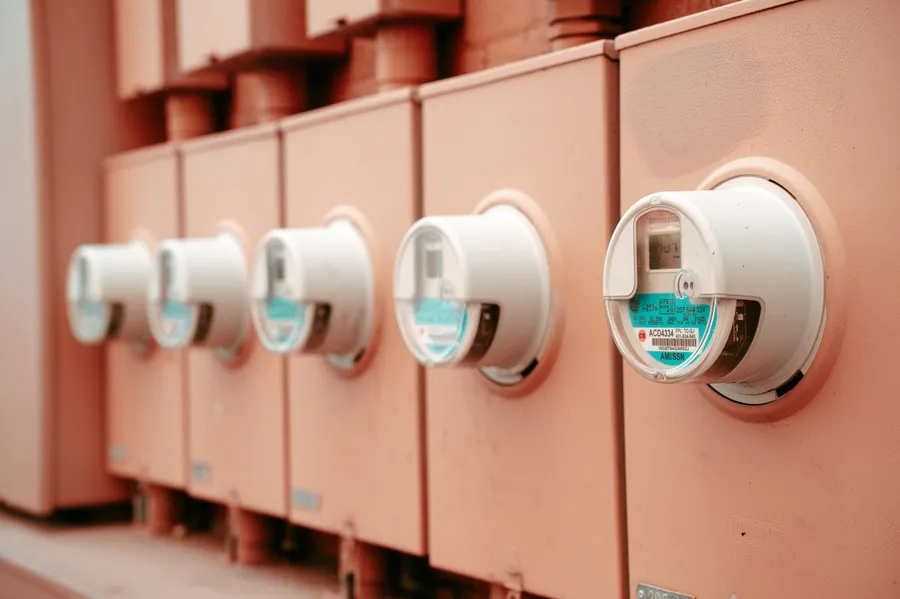
An energy audit has to answer: where power goes, where it's wasted, and how much changes would save. If a factory only has a main meter, all three are hard to answer, which is why the first step of an audit is usually adding measurement. For exact eligibility and deadlines, refer to the official announcements from the Energy Administration, Ministry of Economic Affairs.
No need to buy everything at once: start with circuit-level metering
A full EMS may include plant-wide meters, a data platform, and an ISO 50001 documentation system, but for most factories the first step is simply knowing how much power each major piece of equipment uses. A power monitoring meter with clamp-on current transformers (CTs) can be clipped onto switchboard circuits without a power outage, and data is uploaded to the cloud automatically.
Identify major circuits
Select the large circuits on the switchboard, such as chillers, pumps, air compressors, and major production equipment.
Install metering
CTs clamp onto existing wires—no cutting and no outage needed. Work inside the switchboard is done by a qualified electrician.
Establish a baseline
Collect at least 2–4 weeks of data to see each piece of equipment's share of power use and when it runs.
Start with the biggest share
First address equipment that uses the most power or keeps drawing power when production is idle, then evaluate whether to add energy-saving equipment.
Compare before and after
Use the same metering to compare before and after improvements; the data can go straight into your energy-saving plan and reports.
What do you typically find after measuring?
Measurement alone doesn't save power, but it often reveals waste you can fix without buying new equipment. Below are improvement records from the manufacturer's measurements at a Japanese plant:
| Finding | Improvement | Result |
|---|---|---|
| One air compressor ran at 93% load for long periods, about 14 kW | Split the load between two units | About 5 kW on average |
| A rarely used machine was drawing power constantly | Found and fixed a transformer that had no circuit breaker installed | Power use on that circuit fell 88% |
| High plant-wide peak demand | Continuously adjusted operation based on measurement data | About 116,000 kWh saved per year; contract capacity reduced from 171 kW to 143 kW |
These figures depend on site equipment and the measures taken, and don't mean every site will achieve the same. HVAC and chilled water systems are usually among a factory's biggest power users; if measurement shows low chiller efficiency, see "Chiller Basics and Maintenance" and "How to Save Energy on Existing HVAC".
How do you prove energy savings? Start with a baseline
When submitting an energy-saving plan or applying for subsidies, the most common question is "How do you prove you actually saved?" Comparing electricity bills before and after isn't reliable, because weather, output, and operating hours all change. The ISO 50001 approach is to first establish an energy baseline, then compare energy performance indicators under similar conditions.
In practice, record outdoor temperature and production output alongside measurements, and compare baseline and post-improvement periods with similar conditions to rule out the effects of weather and output. For details, see "How to Verify HVAC Energy Savings".
FAQ
What is an energy management system (EMS)?
An energy management system is a tool for measuring, recording, and analyzing energy use. It collects meter or sensor data so you can see how much power each piece of equipment uses and when, and it's used to verify the results of energy-saving measures.
Is an EMS the same as ISO 50001?
No. ISO 50001 is an energy management standard that requires an energy baseline, performance indicators, and continual improvement, and can be certified. An EMS is the tool that provides the measurement data. Implementing ISO 50001 usually relies on EMS data, but having an EMS doesn't mean you're ISO 50001 certified.
Which factories need energy management personnel?
Users with contract capacity above 800 kW are regulated energy users under the Energy Management Act. They must report energy use data, with a registered engineer or energy management personnel responsible. Refer to announcements from the Energy Administration, Ministry of Economic Affairs, for the exact requirements.
What data do you need for an energy audit?
At a minimum, you should be able to show the power share, operating hours, and efficiency of major equipment. If you only have a main meter, start by adding metering to the circuits for chillers, air compressors, pumps, and major production equipment, and collect several weeks of data as a baseline.
Does installing an energy management system save power?
Not directly. The value of measurement is that it shows you power shares and waste; the savings come from the improvements that follow, such as adjusting operation, fixing abnormal consumption, or adding energy-saving equipment, verified with the same measurements.