E-Paper Shelf LabelsReprice a store at once; light up racks for picking
Electronic shelf labels (ESL, also called e-paper labels) are digital labels that use e-paper to show prices, product names, part numbers and status. The back end connects to POS, ERP or warehouse systems and updates labels wirelessly through base stations, with up to 2,500 labels per base station. Retailers use them for pricing; factories and warehouses use them to label racks and storage locations and guide picking with lights. The Japanese manufacturer has worked in barcode scanning and automatic identification since 1976, with products used in retail, healthcare, logistics, ticketing and postal services.
ESG positioning: E (Environmental) + G (Governance) + S (Social)How DEYly approaches ESG →
- Proven benefits
- Replaces paper price tags — no reprinting and replacing at every price change (E); prices are updated centrally in one go, so store staff shift to serving customers and restocking (S); shelf and checkout prices are driven by the same data, reducing pricing errors and disputes (G).
- Limits
- The E benefit depends on how often paper tags were changed; before deployment, current price-change frequency and consumable use serve as the baseline. Labels still contain batteries and hardware, so we don't claim "zero consumables."
Why ESLWhy retailers switch
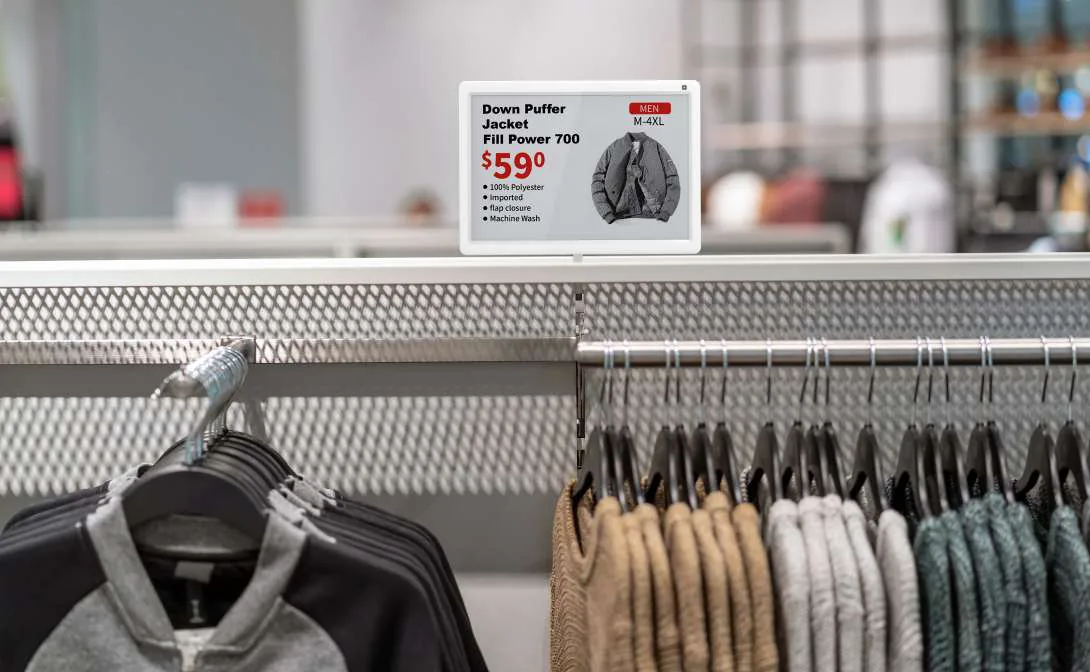
Retail prices change constantly — promotions, member prices, markdowns on fresh goods nearing expiry — and each change means printing, cutting and replacing tags one by one on the shelf, often leaving shelf and checkout prices out of sync. Electronic shelf labels manage prices centrally: one click syncs the whole store, prices are correct, promotions go live instantly, and staff can spend their time on customers instead.
Factory & WarehouseHow do factories and warehouses use e-paper labels?
Electronic shelf labels aren't just for stores. In semiconductor fabs, electronics plants and warehouses, the same e-paper labels can go on racks, storage locations, material bins and workstations, showing part number, lot, quantity and status. Data flows from ERP, MES or the WMS into the management software via API, CSV and other methods — when the system changes, the label on the floor changes too, with no reprinting or relabeling.
Before deploying in a semiconductor fab or cleanroom, check the site's rules on electronic devices, batteries and wireless communication; this page doesn't claim compliance with any specific cleanroom class. A full smart rack that senses picks (for example by weight or light curtain) is a separate system that can be evaluated together.
Semiconductor ProcessesWhere ESL fits in chipmaking
Most used in: line transfer, kitting, nitrogen and dry cabinets
Click a flowchart to open it with relevant stations outlined in orange; click a box for details. Based on our process flowcharts.
💡 Places you might not expect
- Line transfer: carts show destination and lot
- Dry cabinets: time in and floor life left
- Kitting: wafer and substrate lots at a glance
How it worksHow ESL works
The system has three parts: labels, base stations and management software. POS or ERP sends prices and product data to the management software, and the base stations update labels wirelessly (IEEE 802.15.4). It can be managed locally in the store or updated and monitored remotely from headquarters.
Label design
- Drag-and-drop editor
- Name, price, barcode filled in
- Multilingual
- Preview each size
- Ready templates
Many stores
- Battery and signal per label
- Cloud view of all stores
- Scheduled price updates
- As stores grow, extend coverage with EBS-40 base stations
Supplemental LEDWhat can the LED on the label do?
Every label has a built-in RGB LED with adjustable brightness. It's not decoration — it turns the label into a working tool for stores and warehouses:
ModelsLabel sizes
Sizes range from 2.14 to 11.6 inches, chosen by how much information to display: 2.14–2.9" for typical shelves, 4.2–5.83" when images or multiple items are needed, and 11.6" for large promotional boards.
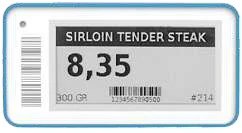
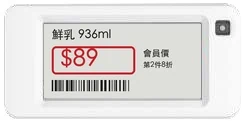
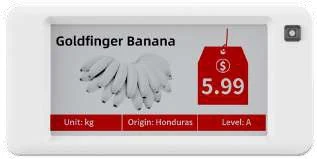
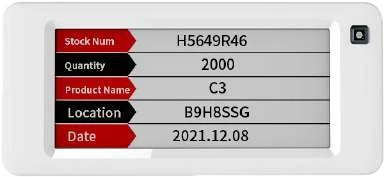
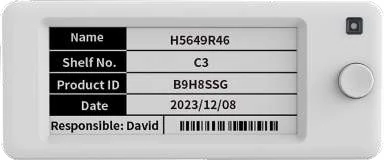
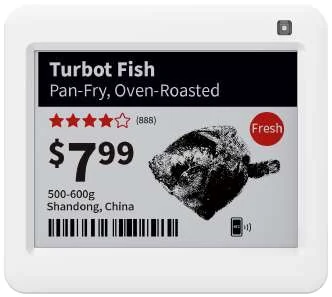
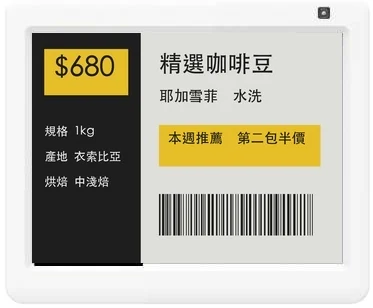
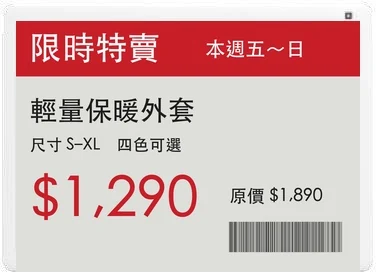
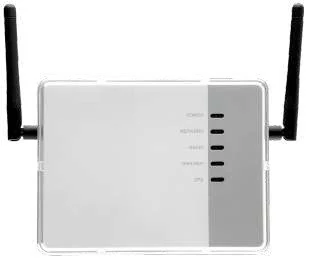
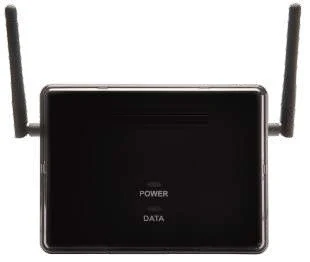
Product photos provided by the manufacturer; actual appearance may vary. Label screens show sample content.
| Model | Dimensions | Resolution | Colors | Dimensions (mm) | Notes |
|---|---|---|---|---|---|
| SE-214F | 2.14″ | 250 × 122 | Black / white | 71.5 × 38.5 × 15.2 | −25 to 25°C, for cold storage |
| SE-214 | 2.14″ | 250 × 122 | Black / white / red / yellow | 72.8 × 35.8 × 13.7 | Battery 2 × CR2450 |
| SE-266 | 2.66″ | 296 × 152 | Black / white / red / yellow | 86.9 × 42.9 × 12.9 | 2 × CR2450MOQ applies |
| SE-290 | 2.9″ | 296 × 128 | Black / white / red / yellow | 94 × 43.2 × 11.8 | Battery 2 × CR2450, optional NFC |
| SE-290A | 2.9″ | 296 × 128 | B/W or 4 colors | 103.5 × 43.2 × 12.6 | Function button |
| SE-420 | 4.2″ | 400 × 300 | Black / white / red / yellow | 104.9 × 93.9 × 13.7 | Battery 4 × CR2450 |
| SE-583RY | 5.83″ | 648 × 480 | Black / white / red / yellow | 139.9 × 119.5 × 14.3 | Battery 4 × CR2450 |
| SE-1160RY | 11.6″ | 960 × 640 | Black / white / red / yellow | 271.8 × 196.2 × 14.2 | Large promo boardMOQ applies |
| Model | Purpose | Description |
|---|---|---|
| EBS-50 base station | Main base station | Linux PC + base station with software and local database; power and network only |
| EBS-40 base station | Extends coverage | Extends coverage; can be the main station with local software |
| Software and designer | Prices, products, promos, layouts | Web UI, API, scheduling, dashboards |
Every label has 1 built-in RGB LED. A range of shelf mounting clips is compatible with common shelving systems — in most cases you just swap the labels.
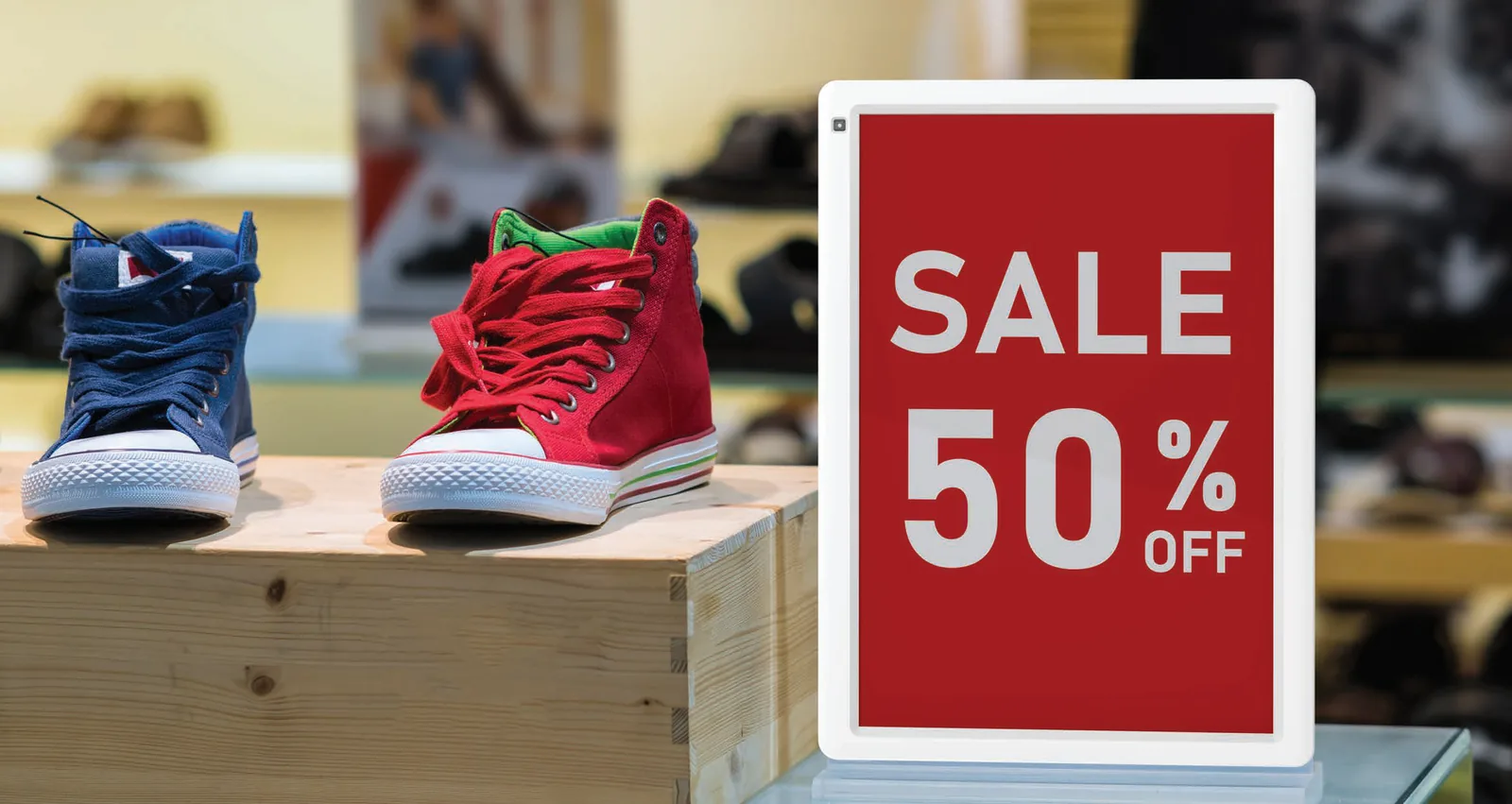
ApplicationsWhere are electronic shelf labels used?
How to chooseWhat to evaluate before deployment
FAQCommon questions
What are electronic shelf labels (ESL)?
Electronic shelf labels are digital price tags that use e-paper to show prices, product names and promotions. The back end connects to POS or ERP and updates labels wirelessly through base stations, so headquarters can update every price in a store at once and keep shelf and checkout prices consistent.
Are e-paper labels the same as electronic shelf labels?
Yes. E-paper is the display technology and electronic shelf labels (ESL) are its most common use — the two names refer to the same type of product. E-paper only uses power when the image changes, so label batteries can last up to 5 years.
Can factories or semiconductor fabs use electronic shelf labels?
Yes. Factories and warehouses mostly use them to label racks, storage locations, material bins and workstations, updated with data from ERP, MES or the WMS, with LED cues to guide picking. Check the site's rules on electronic devices, batteries and wireless communication before deployment.
Can electronic shelf labels be used to build smart racks?
Yes, for "pick-to-light" racks: one label per storage location, and when the system calls for a material, its label lights up and shows the part number and quantity. Detecting whether material was actually removed (for example by weight or light curtain) is a separate system that can be evaluated together.
How many labels can one base station manage?
Up to 2,500 labels per base station, with an average indoor range of about 25 m and about 100 m in open space. For larger stores, add EBS-40 base stations to extend coverage.
How long do electronic shelf label batteries last?
Up to 5 years, depending on update frequency. Labels use CR2450 coin cells: 2 for 2.14–2.9" and 4 for 4.2" and 5.83".
Can it connect to our existing POS or ERP?
Yes. The management software supports SQL, CSV, API-CSV, SFTP and other data connections, and provides a full API for integration with third-party POS, ERP and inventory systems.
Can electronic shelf labels be used in freezers and chillers?
Yes — choose the SE-214F, rated for −25°C to 25°C, suitable for frozen and chilled areas.
How are electronic shelf labels priced?
Mainly by label count and size, number of base stations, mounting clips and how they integrate with existing systems. Tell us your store size and item count, or the number of racks and storage locations, and we'll help estimate and select.
How do we deploy electronic shelf labels in Taiwan?
Contact DEYly directly. We'll help with selection and quotation and plan a pilot in one store or one row of racks, confirming layouts, update flow and clips before expanding. Actual supply, minimum order quantities and lead times are confirmed at quotation.
Models and specs are compiled from the manufacturer's 2025–2026 catalog; actual supply, minimum order quantities and specs are confirmed at quotation.