Key takeaways: what is the hydroxyl radical?
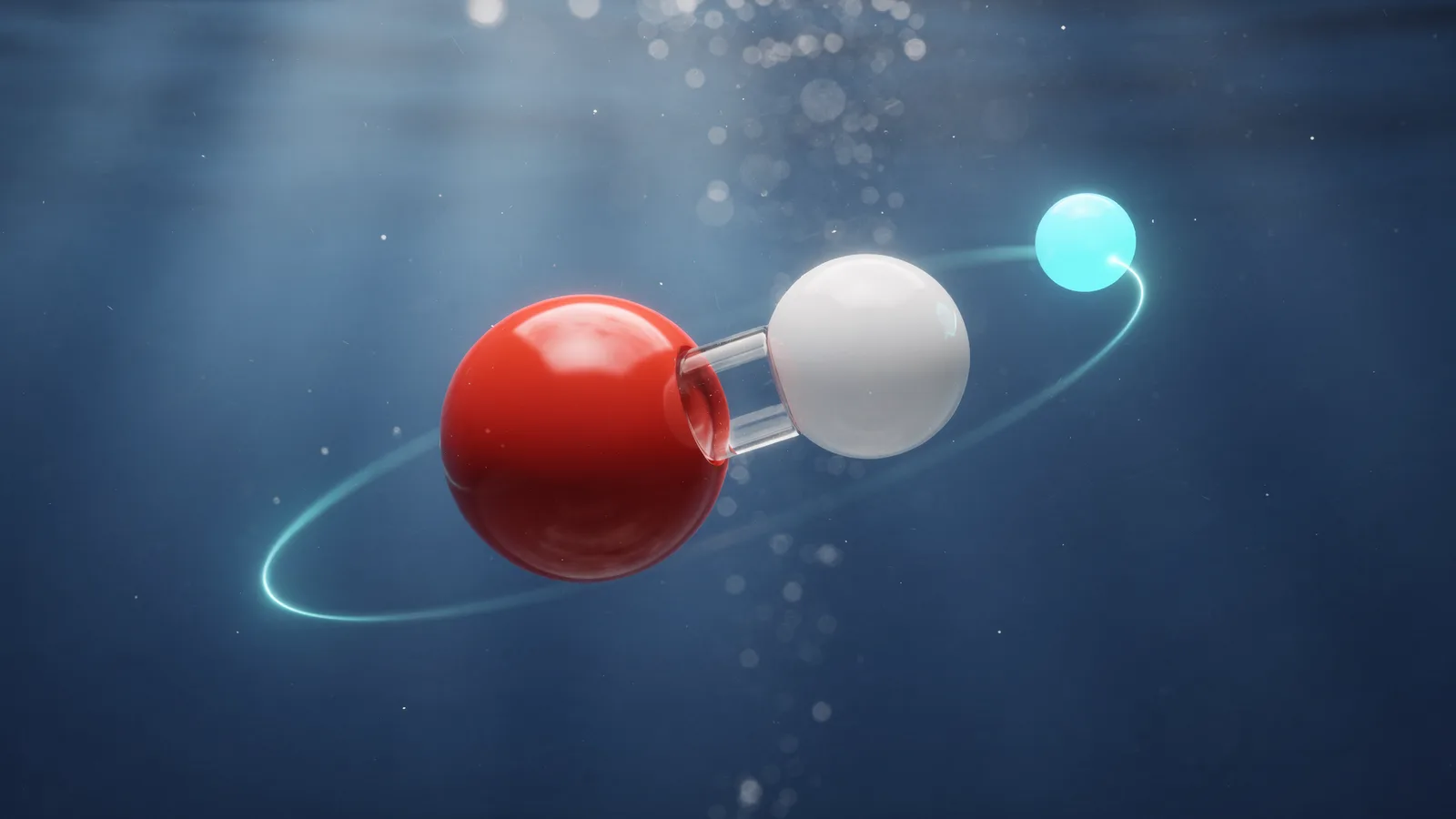
The hydroxyl radical (OH radical, written ·OH) is a small molecule made of one oxygen atom and one hydrogen atom, carrying one unpaired electron. Electrons prefer to come in pairs, so the hydroxyl radical, missing a partner, is highly unstable and grabs electrons from neighboring molecules. Organic matter that loses electrons this way (oil, photoresist, pollutants) has its chemical structure broken apart and decomposes. Its oxidation potential is about 2.86 V, second only to fluorine among common oxidants and stronger than ozone, hydrogen peroxide and chlorine. But it is extremely short-lived: about 1 second in the atmosphere and even shorter in water. It reacts almost as soon as it forms, so it leaves no residue and must be generated on site. Atmospheric self-cleaning, advanced oxidation processes in water treatment, and ozone and microbubble cleaning in semiconductor manufacturing all rely on it.
What is the hydroxyl radical? A small molecule “missing its dance partner”
In one sentence: the hydroxyl radical is a small molecule that is one electron short and eager to grab another; contaminants that lose electrons to it break apart and decompose.
Electrons in a molecule usually come in pairs, like partners in a couples dance. When they are paired, the molecule is stable and tends to leave others alone.
OH, made of one oxygen and one hydrogen, carries one “lonely” electron. Without a partner it is highly unstable and desperate to pair up with another electron.
As soon as it bumps into a nearby molecule (such as oil or photoresist), it takes that molecule's electron. The victim then becomes unstable and starts to break apart.
A “free radical” is simply a molecule or atom carrying an unpaired electron. Chemists write it as ·OH or HO·, where the dot “·” represents that unpaired electron. It is also called the OH radical or hydroxyl radical.
The most common mix-up is with OH⁻ (the hydroxide ion). Both consist of one oxygen and one hydrogen, but OH⁻ carries an extra electron and all of its electrons are paired, so it is stable; it is what makes water alkaline. The hydroxyl radical lacks that electron and is extremely unstable (Wikipedia).
| Hydroxyl radical (·OH) | Hydroxide ion (OH⁻) | Water (H₂O) | |
|---|---|---|---|
| Composition | 1 oxygen + 1 hydrogen | 1 oxygen + 1 hydrogen | 1 oxygen + 2 hydrogen |
| Electron state | 1 unpaired electron | All electrons paired, 1 extra negative charge | All electrons paired |
| Behavior | Extremely unstable, grabs electrons from everything | Stable | Stable |
| Lifetime | An instant (about 1 second or less) | Persists indefinitely in water | Persists indefinitely |
| Where you find it | The atmosphere, ozonated water, cleaning and water treatment sites | Alkaline solutions (e.g., soapy water) | Everywhere |
How does it break down contaminants?
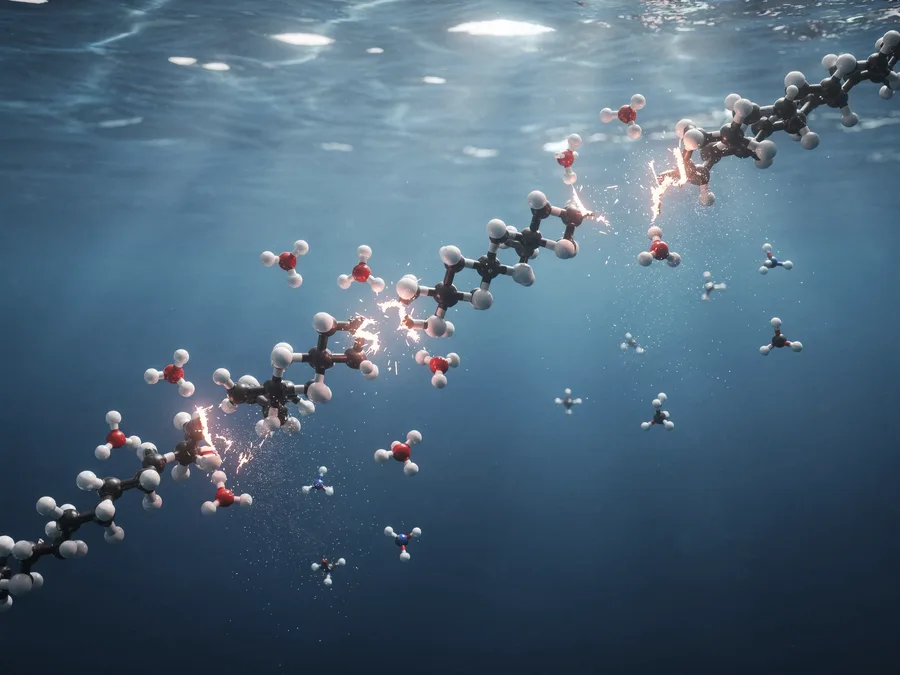
Oil, photoresist and many pollutants are essentially long-chain molecules made of carbon and hydrogen, like a long string of beads. When a hydroxyl radical collides with one, it pulls a hydrogen (along with its electron) off the string. Chemists call this oxidation.
Having lost an electron, that segment now becomes unstable, so the string breaks at that point or goes on reacting with oxygen and other radicals in the water. With enough hydroxyl radicals, the long chain is cut shorter and shorter, and can ultimately be broken down into nothing but carbon dioxide and water.
Collides with a contaminant molecule
In water, the hydroxyl radical meets organic matter clinging to a surface.
Steals an electron
It takes a hydrogen and its electron from the other molecule and turns back into a stable water molecule.
The contaminant molecule breaks
The segment that was robbed becomes unstable; the chain breaks there or continues to be oxidized.
Smaller and smaller
After several rounds, large molecules become small ones that rinse away easily; with complete oxidation they become carbon dioxide and water.
This is different from scrubbing or blasting contaminants off with brushes or high-pressure water: the hydroxyl radical takes contaminants apart at the molecular level, which makes it especially suited to thin, tenacious organic residues hidden in tiny crevices that physical methods cannot reach.
How strong is it? Compared with ozone, hydrogen peroxide and bleach
To compare “electron-grabbing strength”, chemists use the oxidation potential (in volts, V): the higher the number, the stronger the ability to take electrons. Here is a comparison of oxidants commonly used in water treatment (Lenntech):
The hydroxyl radical is beaten only by fluorine, which is far too toxic and corrosive to use for cleaning. In other words, among cleaning methods you can actually use, the hydroxyl radical is essentially the strongest. That is also why, in ozonated-water cleaning, ozone is often not the only thing doing the work: ozone decomposing in water produces hydroxyl radicals, and both oxidize contaminants together.
Why does it leave no residue? Because it is used up the moment it forms
The hydroxyl radical is so eager to grab electrons that it reacts with its surroundings almost as soon as it forms. The US National Oceanic and Atmospheric Administration (NOAA) notes that its lifetime in the atmosphere is only about 1 second (NOAA GML); in living organisms it is even shorter, about one billionth of a second (Wikipedia).
| Property | What it means |
|---|---|
| Turns back into water after reacting | Leaves no chemical residue the way strong acid or alkaline chemicals do, and generates no large volume of chemical-laden wastewater to treat |
| Acts only where it is generated | It must be generated right next to the contaminant, so cleaning equipment design (nozzle placement, where bubbles collapse) is critical |
| Cannot be bottled or bought ready-made | It must be produced continuously on site using ozone, UV, hydrogen peroxide, microbubbles or similar methods |
| Attacks a very broad range | It can oxidize almost any organic matter, but that also means it attacks oxidation-sensitive materials, so check material compatibility before use |
Where do hydroxyl radicals come from?
Because they cannot be stored, every application relies on on-site generation. Common methods include:
| Source | Plain-English explanation | Used for |
|---|---|---|
| Sunlight + ozone + water vapor | UV light splits ozone in the air, and the freed oxygen atoms react with water vapor | Nature: atmospheric self-cleaning |
| Ozone dissolved in water | Ozone produces hydroxyl radicals as it decomposes in water; the more alkaline the water, the more readily they form | Ozonated-water cleaning, water purification |
| UV + hydrogen peroxide | UV light splits hydrogen peroxide into two hydroxyl radicals | Advanced oxidation processes in water treatment |
| Iron + hydrogen peroxide (Fenton reaction) | Trace iron ions catalyze the decomposition of hydrogen peroxide into hydroxyl radicals | Industrial wastewater treatment |
| When microbubbles collapse | As microbubbles shrink and collapse in water, they generate radicals without any ultrasound | Microbubble cleaning, ozone microbubble photoresist stripping |
The last one is a direction the semiconductor cleaning field has been watching closely in recent years. Masayoshi Takahashi and colleagues at Japan's National Institute of Advanced Industrial Science and Technology (AIST) used electron spin resonance (ESR) to confirm that microbubbles under 50 µm in diameter generate radicals as they slowly collapse in water (Takahashi et al., 2007); they also found that adding microbubbles to ozonated water increases the photoresist removal rate (Takahashi et al., 2015). The principles and applications are covered in Microbubble Cleaning.
Where are hydroxyl radicals used?
Nature
The atmosphere's “cleaning crew”
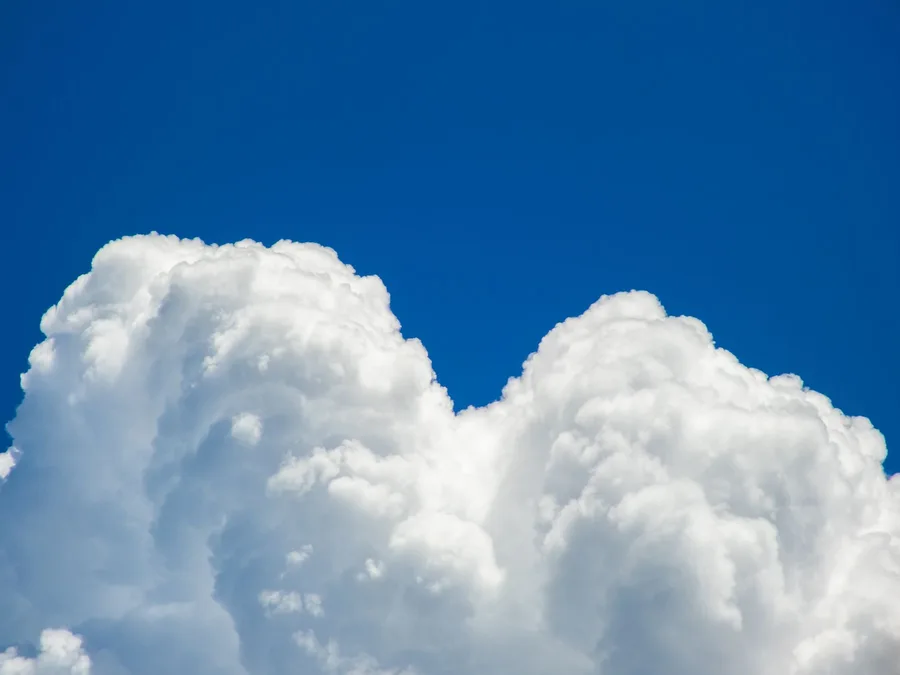
Sunlight shining on ozone and water vapor in the air continuously produces hydroxyl radicals. They react with methane and many air pollutants, gradually removing them; NOAA describes the hydroxyl radical as controlling the atmosphere's “self-cleaning capacity”.
It lasts only about 1 second in air
Water treatment
Drinking water and wastewater treatment
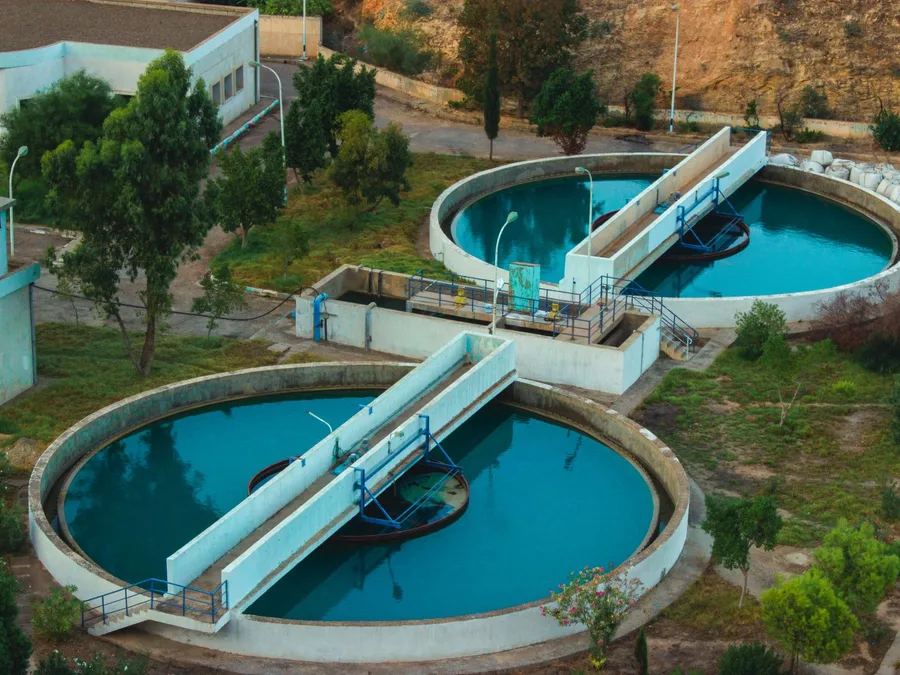
Organic compounds that conventional treatment struggles to break down can be handled with advanced oxidation processes (AOPs): ozone, hydrogen peroxide or UV is used to deliberately produce large amounts of hydroxyl radicals that break pollutants into small molecules.
The key is “made on site, used on the spot”
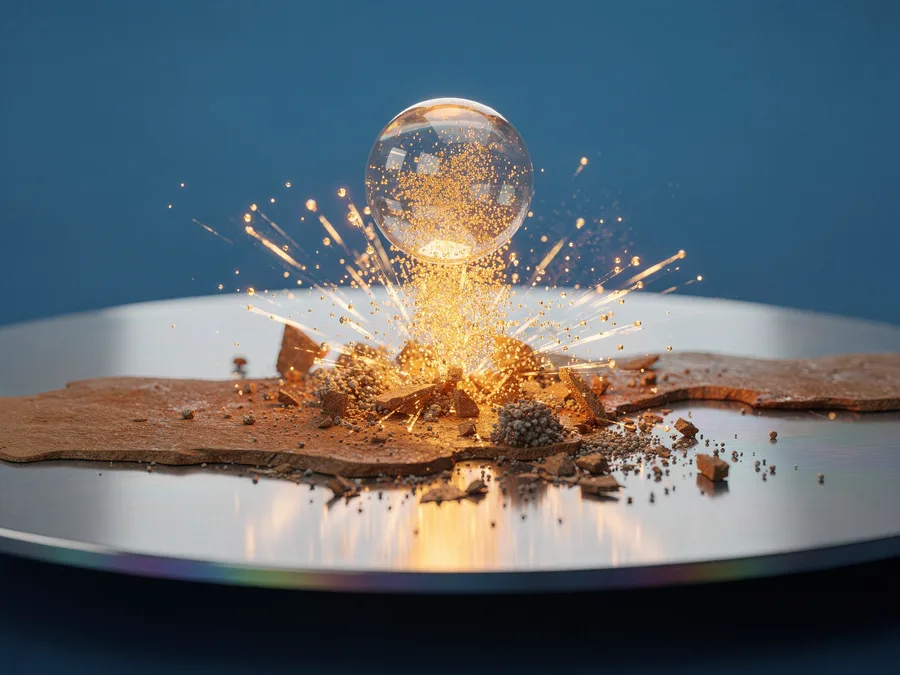
Semiconductors
Wafer cleaning and photoresist stripping
One of the main reasons ozonated-water and ozone microbubble cleaning can remove photoresist and organic residue is the hydroxyl radical. Microbubbles also produce it as they shrink and disappear; see Microbubble Cleaning for details.
Breaks down organics without leaving chemical residue
Images: atmosphere and water treatment photos from the Pexels free library; semiconductor image is an AI illustration
In a semiconductor fab, photoresist stripping and wafer cleaning recur throughout front-end processing (after every lithography, etch and ion implantation step); you can see where they fit in the front-end process flow chart, and the full picture in the semiconductor process flow chart.
Further reading: What is ozone water?, How photoresist stripping works.
FAQ
What is an OH radical?
The hydroxyl radical (·OH, also called the OH radical) is a small molecule made of one oxygen atom and one hydrogen atom, carrying one unpaired electron. It is highly unstable and takes electrons from other molecules, causing organic matter to be oxidized and broken down.
What is the difference between the hydroxyl radical and OH⁻ (the hydroxide ion)?
They have the same composition, but OH⁻ carries an extra electron and all its electrons are paired, so it is stable and is what makes water alkaline. The hydroxyl radical lacks that electron, so it is extremely unstable, a very strong oxidant, and lasts only an instant.
Is the hydroxyl radical stronger than ozone?
Yes. The hydroxyl radical's oxidation potential is about 2.86 V, versus about 2.07 V for ozone, 1.78 V for hydrogen peroxide and 1.36 V for chlorine; among common oxidants only fluorine is stronger. Ozone itself also produces hydroxyl radicals as it decomposes in water.
Can hydroxyl radicals be bought or stored?
No. They last only about 1 second in the atmosphere and even less in water, reacting almost as soon as they form, so they must be generated continuously on site using ozone, UV plus hydrogen peroxide, the Fenton reaction, microbubbles or similar methods.
Does hydroxyl radical cleaning leave residue?
After grabbing an electron, the hydroxyl radical turns back into water, so it leaves no residue itself; the organic matter it breaks down becomes smaller molecules, and with complete oxidation becomes carbon dioxide and water. However, it also attacks oxidation-sensitive materials, so check the material of the item being cleaned before use.
Source
- Lenntech, “Ozone reaction mechanisms (including oxidation-reduction potential table for oxidants)”, 2026-10-23. Link
- NOAA Global Monitoring Laboratory, “Major Breakthrough by NOAA-led Team on Removal of Air Pollution”, 2011-01-06. Link
- Wikipedia, “Hydroxyl radical”, 2026-10-23. Link
- The Journal of Physical Chemistry B, 111, 1343–1347, "Free-Radical Generation from Collapsing Microbubbles in the Absence of a Dynamic Stimulus (Takahashi, Chiba, Li)", 2007-01-25. Link
- Journal of Photopolymer Science and Technology, 28(2), 293–298, "Effect of Microbubbles on Ozonized Water for Photoresist Removal (Takahashi, Horibe, Matsuura, Tatera)", 2015-05-11. Link